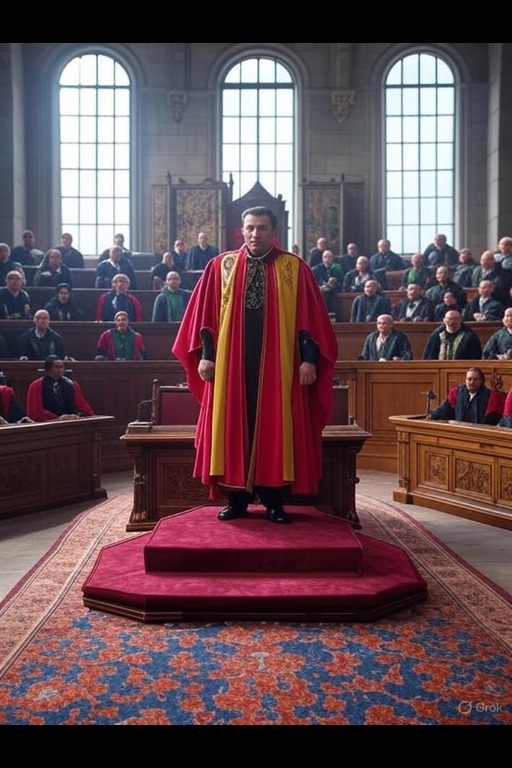
The Most Serene Republic is characterized by a blend of aristocratic and democratic elements, where power is held by an elected council that balances the interests of nobility and common citizens.
Universal
Biomes
Politics
Alignments
Races
Resources
Classes
Elevations
Religions
World
No accessible MAPs found.
Biome
Politics
Alignment
Race
Resource
Class
HeightMap
Most Serene Republic
Detailed Description
Within the framework of the Most Serene Republic, governance is primarily executed by an elected council known as the Senate, which is composed of representatives from both the noble class and the citizenry. The selection process for council members typically involves a complex tapestry of elections, appointments, and hereditary rights, ensuring that both elite and common voices can influence decision-making. The Serene Doge, an elected leader often selected from among the council, serves as the public face of governance, wielding considerable symbolic power while relying on the Senate for legislative support. This duality fosters a dynamic political landscape where negotiation and compromise are essential for stability and progress. Succession within the Most Serene Republic is an intricate affair; while the Doge is elected, the noble families often exert significant influence over the electorate, using their wealth and status to shape outcomes. In some cases, powerful factions may vie for control, leading to political maneuvering and alliances that can shift rapidly. This constant interplay can create an atmosphere of intrigue and ambition, with various parties aiming to sway public opinion and secure their positions. The presence of guilds and trade associations further complicates the landscape, as they lobby for policies that support their economic interests, often resulting in clashes between the desires of the aristocracy and the needs of the mercantile class. Taxation in the Most Serene Republic is generally levied in a manner that attempts to balance the needs of state revenue with the economic realities faced by its citizens. While the ruling council aims for equitable taxation, the outcomes often depend on which factions hold sway at any given time. This can lead to disparities in tax burdens based on class and occupation, creating tension among different social strata. Citizens experience this directly, as the impact of taxation shapes their daily lives, influencing everything from market prices to public services. Military and law enforcement roles are often intertwined with the nobility, as noble houses typically maintain their own military forces while also contributing to the Republic's defense forces, resulting in a complex relationship where private interests may sometimes supersede public duties. Inhabitants of the Most Serene Republic may find themselves engaged in vibrant civic life, with public assemblies and festivals celebrating both their democratic ideals and cultural heritage. However, they also navigate a landscape rife with political maneuvering and social stratification, making the experience of governance a mixed tapestry of pride and frustration.
Examples
A newly elected Doge faces opposition from a powerful noble faction seeking to undermine reforms. A merchant guild pushes for favorable trade laws, igniting debates in the Senate. During a festival, citizens discuss the latest political intrigues over shared meals, highlighting the blend of culture and governance. A scandal involving a council member’s mismanagement of funds threatens to destabilize the fragile alliances within the Senate. A neighboring province challenges the Republic’s authority, prompting a debate over military preparedness and local loyalties.