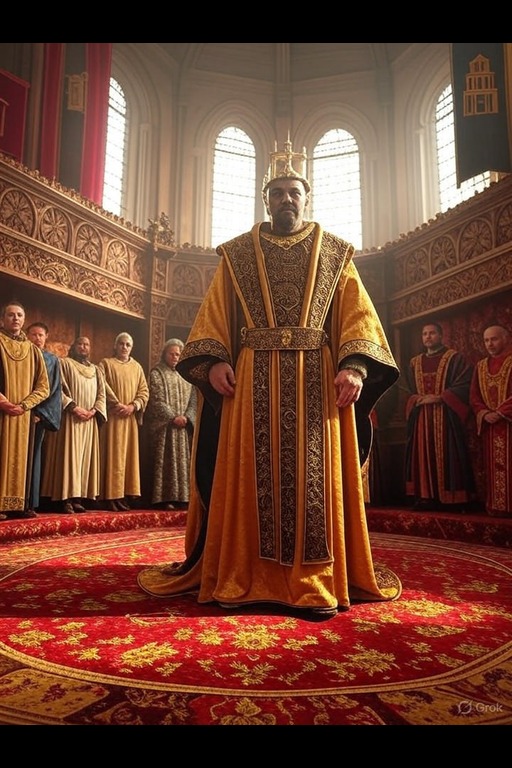
A Grand Duchy is a realm ruled by a sovereign known as a Grand Duke or Grand Duchess, characterized by a blend of traditional nobility and local governance structures.
Universal
Biomes
Politics
Alignments
Races
Resources
Classes
Elevations
Religions
World
No accessible MAPs found.
Biome
Politics
Alignment
Race
Resource
Class
HeightMap
Grand Duchy
Detailed Description
In a Grand Duchy, the Grand Duke or Grand Duchess serves as the central authority, wielding significant power over both governance and military matters. The ruler's authority is often supported by a council of nobles, which may include dukes, countesses, and other high-ranking officials who advise on matters of state. Succession typically follows a hereditary line, but it is not uncommon for the ruling family to adopt capable heirs from allied houses if no direct descendants are available. This practice can foster both unity and rivalry among noble families, each vying for influence within the duchy. In terms of governance, the Grand Duchy maintains a complex hierarchy where local lords manage provinces or districts under the Grand Duke's overarching rule. These local rulers administer justice, levy taxes, and oversee the welfare of their respective populations, often reflecting the unique customs and needs of their regions. Taxes collected are forwarded to the central treasury, which funds the duchy’s military forces and public works. The military, often composed of local militias and noble retainers, plays a critical role in maintaining order and defending the realm against external threats. The societal impact of this political structure can be profound. Citizens generally experience a blend of stability and oppression, as local lords may impose their own rules and taxes with varying degrees of fairness. Common folk often rely on the goodwill of their local rulers for protection and justice, leading to a complex web of loyalty and resentment. In times of crisis, such as invasions or famines, the Grand Duke's ability to unify the local lords and ensure the safety of the populace is put to the test, revealing the strengths and weaknesses of this feudal system. The intertwining of military and civil duties often leads to both community solidarity and potential conflicts, particularly when noble ambitions clash with the needs of the common people.
Examples
A revered Grand Duke faces dissent as local lords resist central taxation reforms. A clandestine society of commoners emerges, seeking to challenge the local nobility's oppressive practices. During a border dispute, a rebellious duke rallies troops to defy the Grand Duke's orders. An ambitious heir plots to undermine their sibling's claim to the duchy, igniting a power struggle. A sudden plague forces the Grand Duchess to confront the inadequacies of her medical infrastructure, sparking widespread chaos.