Detailed Description
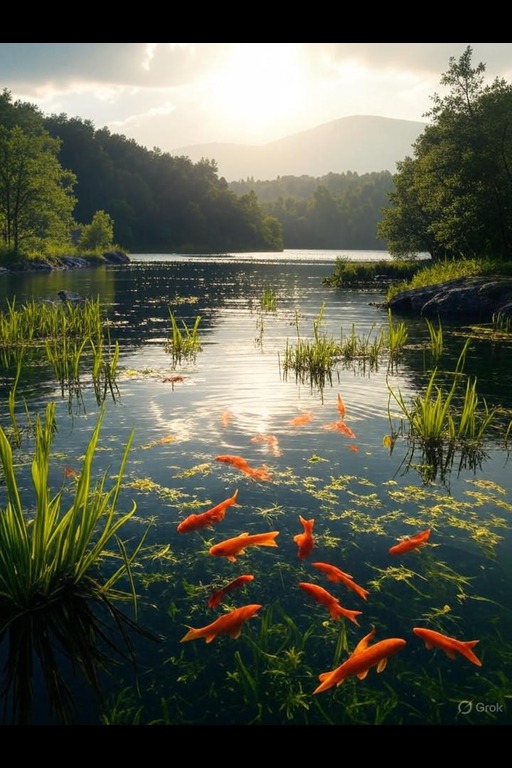
Freshwater biomes encompass a variety of landscapes, including serene lakes, meandering rivers, and expansive wetlands. The waters can range from crystal clear to murky, each condition supporting different communities of life. The banks of rivers are often lined with willows and reeds, while lakes may be surrounded by thick forests or open grasslands, creating a rich tapestry of habitats. The interplay of sunlight and water creates a vibrant aquatic environment, where the light penetrates the surface, fostering the growth of algae and submerged plants that form the foundation of the food web.
Aquatic life flourishes in these ecosystems, with species such as fish, amphibians, and various invertebrates populating the waters. Fish like trout and perch may dart through the depths, while frogs and salamanders inhabit the lush vegetation along the banks. The presence of insects, such as dragonflies and water striders, adds to the biodiversity, serving as both predators and prey. In wetlands, the slow-moving waters create a haven for migratory birds, providing a critical stopover during long journeys.
Seasonal changes greatly influence the dynamics of freshwater biomes. In spring, melting snow and rains swell rivers, flooding the surrounding areas and enriching the soil with nutrients. This seasonal flooding promotes the growth of aquatic plants and provides breeding grounds for various species. In contrast, summer brings warmth, leading to increased biological activity, while autumn often sees a die-off of certain plants and a migration of fish and birds. Winter can freeze the surface of lakes, creating a stark yet beautiful landscape where life slows but does not cease.
Human interaction with freshwater biomes is significant, as these bodies of water are often central to local communities. Settlements may cluster along riverbanks or lake shores, utilizing the resources provided by the water. Fishing, agriculture, and trade routes are common activities, leading to a blend of natural and human-made environments. However, this interaction can also lead to challenges, such as pollution and habitat destruction, making the conservation of these vital ecosystems crucial for maintaining their health and diversity.
Ultimately, freshwater biomes are essential not only for the myriad of species that depend on them but also for the human societies that arise in their vicinity. They serve as a reminder of the delicate balance between nature and civilization, highlighting the importance of preserving these unique environments for future generations to cherish.
Examples
The Serpent River winds through a dense forest, its waters sparkling under the dappled sunlight. Along the banks, otters frolic while kingfishers dive to catch fish, creating a lively scene of interaction between land and water.
The Tranquil Lake, surrounded by towering mountains, is a serene haven where lily pads float lazily on its surface. The cool breeze rustles the reeds, and the occasional splash of a jumping fish breaks the stillness, showcasing the lake's vibrant aquatic life.
In the Marshlands, a network of shallow waters and thick vegetation thrives, home to a variety of amphibians and migratory birds. The air is filled with the sounds of croaking frogs and chirping insects, creating a symphony of life in this rich ecosystem.
The Crystal Ponds, known for their clear waters, are filled with colorful koi and water lilies. The ponds are meticulously tended by local artisans who cultivate both beauty and biodiversity, attracting visitors from distant lands.
The Misty Wetlands, shrouded in an ethereal fog, are a mysterious realm where the air is thick with moisture. Here, rare plants and elusive creatures thrive, making it a place of intrigue and exploration for adventurous souls seeking the unknown.